Share BIO with your friends and help spread the message.
MESSAGE TO SHARE
₿₿₿₿
Learn • Explore • Understand
Discover Bitcoin
Learn everything about Bitcoin, from its creation to its operation,
security, mining, blockchain, Lightning Network, decentralization,
and why millions of people around the world trust it.
Discover the organizations, developers, and projects that are shaping and advancing
the Bitcoin ecosystem. Explore the people who are innovating, building practical solutions,
and working every day to make Bitcoin more accessible, useful, and impactful around the world.
BITCOIN PROJECT
PLAY AND EARN BITCOIN
BTC PoP brings Bitcoin directly into gameplay through Lightning-powered rewards. Collect Bitcoin Cache Drops during matches, compete in scheduled tournaments for real Bitcoin prize pools and climb the leaderboards against players worldwide. It's simple : Play - Earn - Repeat.
Follow
BITCOIN PROJECT
DECOY WALLET
Decoy Wallet is a security-focused startup building tools to defend against the wrench attack, one of the most dangerous threats facing Bitcoin hodlers today. Decoy Wallet aims to provide bitcoiners with the first truly effective tool to combat this growing threat while making user safety the top priority.
Follow
BITCOIN PROJECT
SATORA
Satora uses Hash Time-Locked Contracts (HTLCs) to enable trustless atomic swaps. When you start a swap, both parties lock their funds in smart contracts. The swap either completes fully or both parties get refunded - there's no way for anyone to steal your funds. We support Bitcoin Lightning, Arkade (Bitcoin L2), and EVM chains like Polygon and Ethereum.
Follow
BITCOIN PROJECT
BITCOIN BLOCK PARTY
Block Party brings independent miners together to collectively mine Bitcoin. Every Saturday, participants combine their hashrate to mine as one collective, with rewards distributed according to each miner’s share of the party’s total hashrate.
Follow
Explore the Bitcoin ecosystem
Bitcoin Timeline
The History of Bitcoin
Bitcoin was not created overnight. It is the result of decades of research
in cryptography, digital money, and decentralized networks.
1980s
The roots of digital money
Researchers explored cryptography and electronic cash systems,
laying the foundations for decentralized digital currency.
1998
b-money proposal
Wei Dai proposed b-money, a concept for anonymous distributed
electronic cash that inspired Bitcoin's design.
2008
Bitcoin Whitepaper
Satoshi Nakamoto published the Bitcoin whitepaper:
"Bitcoin: A Peer-to-Peer Electronic Cash System."
2009
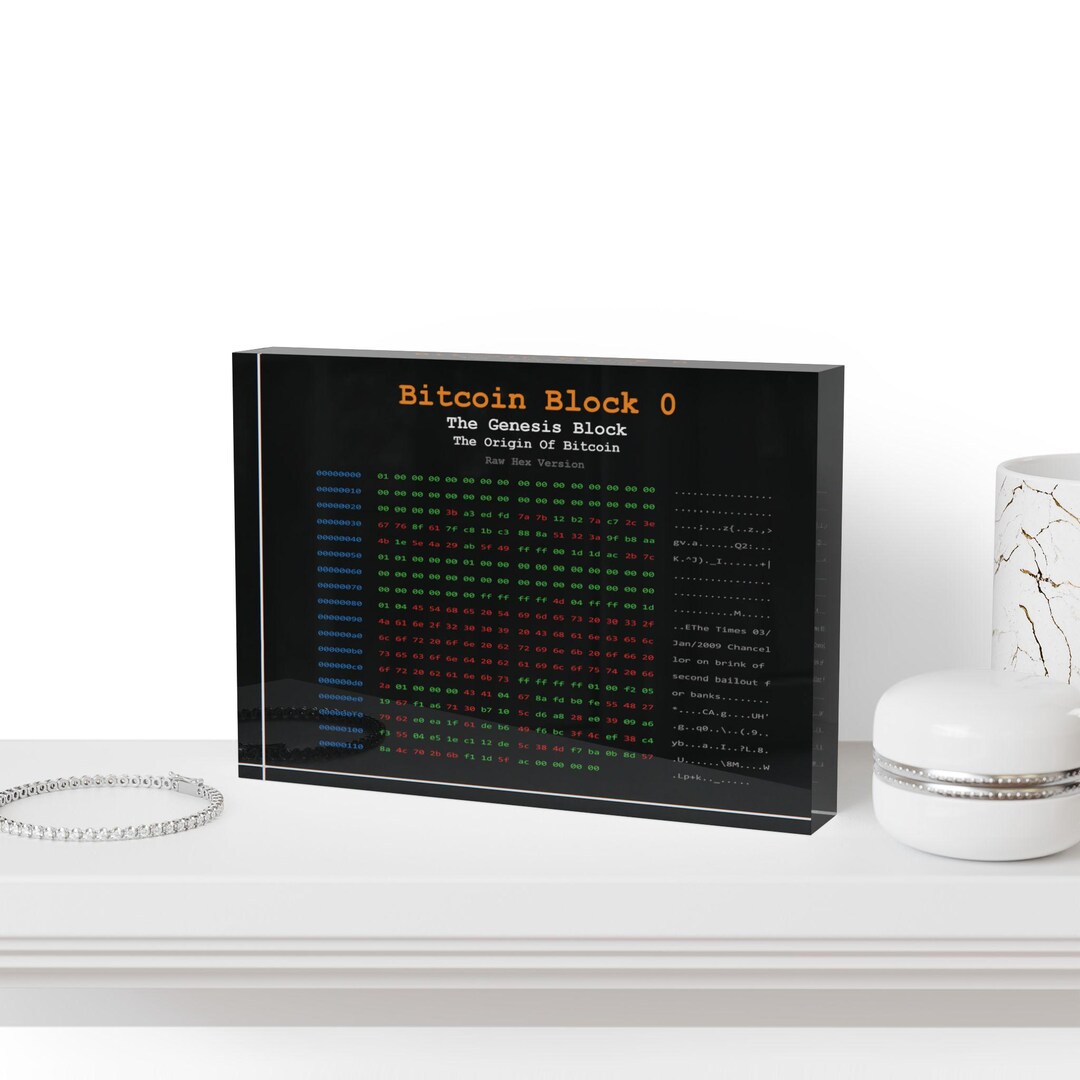
Genesis Block
The first Bitcoin block was mined, marking the birth of the
Bitcoin network and embedding a message about the financial crisis.
2010
Bitcoin Pizza Day
Laszlo Hanyecz bought two pizzas for 10,000 BTC, proving that
Bitcoin could be used as real money.
2017
Global adoption
Bitcoin reached mainstream attention, attracting investors,
companies, and millions of new users worldwide.
Today
Bitcoin's future
Bitcoin continues to grow as digital money, a store of value,
and a tool for financial freedom around the world.
Introduction
What is Bitcoin?
Bitcoin is the world's first decentralized digital currency.
Unlike traditional money, it is not controlled by any government,
bank or company. It allows anyone to send or receive money
anywhere in the world securely, transparently and without
requiring permission from a third party.
Digital Currency
Bitcoin exists only in digital form.
There are no physical coins or banknotes.
Every bitcoin exists on the blockchain.
Global
Anyone with an internet connection can use Bitcoin.
It works 24 hours a day, every day of the year,
without borders.
Secure
Bitcoin transactions are protected by advanced
cryptography and verified by thousands of computers
around the world.
Fast Payments
Using the Lightning Network,
Bitcoin payments can be completed
almost instantly with very low fees.
The Beginning
Why Was Bitcoin Created?
Bitcoin was not created by accident.
It was born after years of research in cryptography
and in response to major weaknesses in the traditional
financial system.
01
The Financial Crisis (2008)
In 2008, the global financial system experienced one
of the worst crises in modern history.
Banks collapsed, governments rescued financial
institutions with taxpayers' money, and millions
of people lost their savings, homes and jobs.
02
Dependence on Banks
Every online payment required an intermediary:
banks, payment processors or financial institutions.
They could block payments, freeze accounts,
impose high fees or refuse transactions.
03
Double Spending Problem
Before Bitcoin, creating digital money without
allowing the same coin to be spent twice
was considered an unsolved problem.
Bitcoin solved this using Blockchain technology.
"
The root problem with conventional currency
is all the trust that's required to make it work.
— Satoshi Nakamoto
Bitcoin's Mission
Create an open financial system where anyone,
anywhere in the world, can own money,
send value and protect their wealth
without needing permission from governments,
banks or corporations.
The Creator
Who is Satoshi Nakamoto?
Bitcoin was introduced to the world by a person or group
using the name Satoshi Nakamoto.
To this day, no one has conclusively proven who Satoshi really is.
The identity remains one of the greatest mysteries in technology.
TOP SECRET
Identity Unknown
Satoshi disappeared from public communication in 2011,
leaving Bitcoin in the hands of its global community.
2008
Bitcoin Whitepaper
Satoshi published the famous Bitcoin Whitepaper,
introducing a peer-to-peer electronic cash system
without relying on trusted third parties.
2009
Genesis Block
The first Bitcoin block was mined,
marking the birth of the Bitcoin network.
2010
Community Growth
Bitcoin gained its first users,
developers and contributors around the world.
2011
Disappearance
Satoshi stopped communicating publicly.
Since then, the Bitcoin network has continued
to evolve without its creator.
Open Source
Bitcoin's source code is public.
Anyone can inspect, improve and verify it.
No Central Leader
Bitcoin no longer depends on its creator.
Thousands of developers contribute to the ecosystem.
A Global Mystery
Many people have been suggested as Satoshi,
but no claim has been universally verified.
Bitcoin Fundamentals
Why is Bitcoin unique?
Bitcoin introduced a completely new way of storing and transferring value.
Unlike traditional money, it operates without banks or governments while
remaining secure, transparent and available to everyone.
Highly Secure
Bitcoin is protected by powerful cryptography and a global network
of thousands of computers working together.
Global
Anyone with an internet connection can send or receive Bitcoin
anywhere in the world in minutes.
Fast Payments
With the Lightning Network, transactions can be completed almost
instantly with very low fees.
No Central Authority
Bitcoin belongs to everyone.
No company or government can control or print more bitcoins.
Limited Supply
Only 21 million bitcoins will ever exist, making Bitcoin scarce
like digital gold.
Transparent
Every transaction is permanently recorded on the blockchain and
can be verified by anyone.
Bitcoin Network
How does Bitcoin work?
Every Bitcoin transaction follows a secure process before reaching its destination.
No bank is involved. Instead, the global Bitcoin network verifies every payment.
👩
Alice
Sends Bitcoin
🌍
Bitcoin Network
Thousands of computers verify the transaction.
⛓️
Blockchain
The transaction is permanently recorded.
👨
Bob
Receives Bitcoin
1. Create a Transaction
Alice decides to send Bitcoin to Bob using her Bitcoin wallet.
2. Broadcast
The wallet broadcasts the transaction to thousands of computers worldwide.
3. Verification
The Bitcoin network checks that Alice owns the coins and that they haven't already been spent.
4. Confirmation
Miners include the transaction in a block, making it secure and irreversible.
5. Permanent Record
The block is added forever to the blockchain where anyone can verify it.
6. Bob Receives Bitcoin
After confirmation, Bob instantly becomes the owner of the bitcoins.
Why Was Bitcoin Created?
Bitcoin was created to solve problems that have existed in the traditional financial system for decades. Its inventor wanted to build a monetary system that anyone could use without needing permission from a bank, government or corporation.
Dependence on Banks
Traditional money relies on banks to store funds, process payments and approve transactions. If a bank refuses a transfer or freezes an account, users lose control over their own money.
Inflation
Governments and central banks can create new money whenever they decide. Increasing the money supply reduces purchasing power over time, meaning savings gradually lose value.
Censorship
Payments can be blocked, delayed or cancelled by financial institutions. Bitcoin allows anyone to send value directly without asking permission.
Financial Exclusion
Billions of people around the world have limited or no access to banking services. Bitcoin only requires an internet connection and a digital wallet.
Trust Issues
Traditional finance depends on trusting institutions. Bitcoin replaces institutional trust with mathematics, cryptography and transparent code that anyone can verify
Single Point of Failure
Banks and payment companies operate centralized systems that may fail or be attacked. Bitcoin is decentralized and runs on thousands of computers worldwide
Traditional Money
Controlled by central authorities
Unlimited money creation
Bank approval required
Inflation reduces purchasing power
Accounts may be frozen
Bitcoin
Decentralized network
Maximum supply of 21 million BTC
Peer-to-peer transactions
Transparent blockchain
Full ownership of your funds
Understanding the Blockchain
The blockchain is the technology that powers Bitcoin. It acts as a public digital ledger where every transaction is permanently recorded. Unlike a traditional bank database controlled by a single company, Bitcoin's blockchain is shared across thousands of computers around the world, making it transparent, secure and extremely difficult to manipulate.
Block #845001
Transactions verified by the network.
Block #845002
Connected forever to the previous block.
Block #845003
Cannot be modified without changing the entire chain.
A Public Ledger
Every Bitcoin transaction is recorded inside blocks that are visible to everyone. Anyone in the world can verify transactions without needing permission from a bank or any central authority.
Protected by Cryptography
Every block contains cryptographic information that securely links it to the previous block. This creates an unbreakable chronological chain that protects the integrity of the entire network.
Distributed Worldwide
Thousands of computers maintain identical copies of the blockchain. Even if many computers stop working, the network continues operating normally.
Almost Impossible to Alter
Changing one transaction would require changing every block after it while simultaneously controlling the majority of the global network, making fraud practically impossible.
Complete Transparency
Every transaction remains permanently visible on the blockchain. Anyone can verify transfers using blockchain explorers without revealing personal identities.
Permanent History
Since the Genesis Block mined in 2009, every valid Bitcoin transaction has become part of a permanent historical record that cannot simply disappear.
Did you know?
Every block references the previous one using a unique cryptographic fingerprint called a hash. This connection is what creates the famous "blockchain" or chain of blocks.
Bitcoin Mining Explained
Bitcoin mining is the process that keeps the Bitcoin network secure. Contrary to a common misconception, miners do not simply "create" bitcoins. They verify transactions, secure the blockchain and compete to solve complex mathematical problems. In return, the successful miner receives newly issued bitcoins and transaction fees as a reward.
1. Users Send Transactions
Every time someone sends Bitcoin, the transaction is broadcast to thousands of computers connected to the network.
2. Transactions Enter the Mempool
Pending transactions wait inside a public queue called the mempool until miners include them in a new block.
3. ASIC Miners Compete
Specialized ASIC computers perform trillions of cryptographic calculations every second in search of the correct hash.
4. A New Block Is Found
The first miner to find a valid solution broadcasts the new block to the entire Bitcoin network.
5. Reward
The winning miner receives the current block reward together with all transaction fees included in that block.
Bitcoin uses Proof of Work to protect the network. Miners must demonstrate that they have performed enormous computational work before adding a new block.
ASIC Hardware
Modern Bitcoin mining is performed using specialized ASIC machines designed exclusively to calculate SHA-256 hashes at extremely high speeds.
Difficulty Adjustment
Approximately every two weeks, Bitcoin automatically adjusts mining difficulty so that a new block continues to be produced about every ten minutes.
Block Reward
Every successful block rewards the miner with newly created bitcoins. This reward decreases roughly every four years through an event known as the Halving.
How Does a Bitcoin Transaction Work?
Sending Bitcoin takes only a few seconds, but many important steps happen behind the scenes. Every transaction is verified by thousands of computers before becoming a permanent part of the blockchain. The process is transparent, secure and completely decentralized.
Sender Wallet
Alice decides to send Bitcoin to Bob using her digital wallet.
Broadcast
The wallet broadcasts the transaction to the Bitcoin network.
Network Verification
Thousands of nodes verify the digital signature and transaction rules.
Included in a Block
Miners place the verified transaction inside a candidate block.
Confirmed
The block is accepted by the network and the payment becomes permanent.
Digital Signature
Every Bitcoin transaction is signed using cryptographic keys. This signature proves ownership of the coins without revealing your private key.
Verification
Every node independently verifies that the sender owns the Bitcoin and that the same coins have not already been spent.
Confirmation Time
A Bitcoin block is produced approximately every ten minutes. More confirmations generally provide greater security for larger payments.
Permanent Record
Once confirmed, the transaction becomes part of the blockchain and remains publicly verifiable forever.
Bitcoin Wallets Explained
A Bitcoin wallet does not actually store your bitcoins. Your bitcoins always remain on the blockchain. The wallet securely stores your private keys, allowing you to access, send and receive your funds. Choosing the right wallet depends on your security needs and how frequently you use Bitcoin.
Mobile Wallet
Mobile wallets are designed for smartphones and are ideal for daily payments. They allow users to quickly send and receive Bitcoin anywhere in the world.
Desktop Wallet
Installed directly on a computer, desktop wallets offer greater control and additional features while remaining convenient for regular Bitcoin users.
Web Wallet
Accessible through a web browser, web wallets provide convenience but require trust in the service provider managing the platform.
Lightning Wallet
Lightning wallets enable instant Bitcoin transactions with extremely low fees, making them ideal for small everyday payments.
Hardware Wallet
Hardware wallets keep private keys completely offline. They provide one of the highest levels of security and are recommended for storing significant amounts of Bitcoin.
Paper Wallet
A paper wallet consists of printed private and public keys. Although rarely used today, it represented one of the earliest forms of cold storage.
Private Key
Your private key is the secret that gives you complete control over your Bitcoin. Anyone who obtains it can access your funds. Never share it with anyone.
Recovery Seed Phrase
Most wallets generate a recovery phrase consisting of 12 or 24 words. This phrase allows you to restore your wallet if your device is lost or damaged.
Best Security Practice
Store your recovery phrase offline, never take screenshots of it, never upload it to cloud storage and never reveal it to anyone claiming to provide technical support.
Important Security Reminder
Bitcoin gives you complete financial freedom, but also complete responsibility. Unlike a traditional bank, no institution can recover your funds if you permanently lose your private keys or recovery phrase.
Bitcoin Security & Common Scams
Bitcoin allows you to become your own bank, but with this freedom comes responsibility. Unlike traditional banks, Bitcoin transactions cannot be reversed and there is no customer service capable of recovering stolen funds. Understanding common scams and following good security practices is essential for protecting your assets.
Phishing Websites
Criminals create fake websites that look identical to trusted wallet providers or exchanges. Their goal is to steal your passwords or recovery phrase.
Fake Support Teams
Nobody from a legitimate Bitcoin wallet will ever ask for your recovery phrase or private keys. Anyone requesting them is attempting to steal your funds.
Fake Giveaways
If someone promises to double your Bitcoin after you send funds first, it is a scam. Genuine giveaways never require payment.
Guaranteed Profit
Nobody can guarantee investment returns. Be cautious of anyone promising fixed daily or monthly profits using Bitcoin.
Protect Your Recovery Phrase
Your recovery phrase is the master key to your wallet. Store it offline in multiple secure locations and never photograph or upload it online.
Secure Your Devices
Keep your phone and computer updated, enable strong passwords and use two-factor authentication whenever possible.
Be suspicious of offers that sound too good to be true.
Store long-term savings in a hardware wallet.
Remember
Bitcoin is extremely secure. Most Bitcoin thefts happen because users reveal their own private information. Protect your keys, verify every website and always think carefully before sending Bitcoin.
Bitcoin Around the World
Since its launch in January 2009, Bitcoin has grown from an experimental digital currency into one of the most influential financial innovations of the 21st century. Today, millions of people across every continent use Bitcoin to save money, make international payments, protect themselves against inflation and participate in the global digital economy. Governments, universities, financial institutions, technology companies and humanitarian organizations continue to study and adopt Bitcoin in different ways, making it one of the most important technological revolutions of modern history.
A Global Network Without Borders
Bitcoin operates without geographical boundaries. Unlike traditional banking systems that depend on local regulations, opening hours or national infrastructure, Bitcoin functions continuously twenty-four hours a day, seven days a week. Anyone with an internet connection can participate in the network regardless of nationality, income level or location. This borderless nature has transformed Bitcoin into one of the first truly global financial systems ever created.
Government Adoption
Governments around the world have adopted different approaches toward Bitcoin. Some countries recognize Bitcoin as a legitimate financial asset and have developed regulatory frameworks to encourage innovation while protecting consumers. Others continue to evaluate its economic impact before introducing comprehensive legislation. The regulatory landscape continues to evolve as policymakers gain a better understanding of blockchain technology and digital assets.
Protection Against Inflation
In countries experiencing high inflation or currency devaluation, many individuals have turned to Bitcoin as an alternative store of value. Because Bitcoin has a strictly limited supply of twenty-one million coins, many people view it as protection against the long-term loss of purchasing power associated with inflationary monetary systems.
International Payments
Bitcoin enables people to transfer value internationally without relying on traditional banking intermediaries. Cross-border transactions that previously required several business days and significant fees can often be completed much faster while remaining accessible to anyone connected to the Bitcoin network.
Financial Inclusion
According to international estimates, hundreds of millions of adults around the world remain underserved by traditional banking systems. Bitcoin provides these individuals with an opportunity to participate in digital finance using only a smartphone and an internet connection, reducing barriers to financial inclusion.
Humanitarian Impact
Charities, humanitarian organizations and community projects increasingly use Bitcoin to receive donations from supporters around the world. Because transactions are transparent and borderless, Bitcoin has become an important tool for delivering aid more efficiently, particularly during emergencies and humanitarian crises.
Bitcoin Continues to Expand
Every year, more individuals, businesses, educational institutions and public organizations explore Bitcoin. Developers continue improving the technology, entrepreneurs build innovative services on top of the Bitcoin network, and millions of new users learn how decentralized digital money can create new economic opportunities. Although adoption differs from one country to another, Bitcoin has established itself as a permanent component of the global financial conversation.
Looking Toward the Future
Bitcoin is still a relatively young technology. Researchers, engineers and entrepreneurs continue developing new applications that improve scalability, privacy, security and accessibility. Technologies such as the Lightning Network enable faster and lower-cost transactions, opening new possibilities for global commerce, digital inclusion and humanitarian initiatives. As education increases and infrastructure improves, Bitcoin may continue to play an increasingly important role in shaping the future of finance.
Countries Leading Bitcoin Adoption
Bitcoin adoption varies from one country to another. Some governments have embraced it through innovation-friendly regulations, while others focus on investment, mining, education or financial inclusion. Around the world, millions of people use Bitcoin for different reasons depending on their economic conditions, technological development and access to traditional banking services.
El Salvador
El Salvador became the first country in history to recognize Bitcoin as legal tender in 2021. The government launched national initiatives to encourage adoption, attract technological investment and improve financial inclusion. Bitcoin is now part of the country's global identity and continues to influence discussions about digital finance worldwide.
United States
The United States is home to many of the world's largest Bitcoin companies, exchanges, mining operations and institutional investors. Universities, research centers and technology firms continue developing products that contribute significantly to the global Bitcoin ecosystem.
Switzerland
Switzerland has developed one of the world's most innovation-friendly environments for blockchain technology. Regions such as Zug have become internationally recognized for supporting Bitcoin startups, research and financial innovation.
Japan
Japan was among the first countries to establish clear regulations for Bitcoin exchanges. Many businesses accept Bitcoin payments, and Japanese regulators continue working to balance innovation with consumer protection.
Nigeria
Nigeria has one of the largest Bitcoin communities in Africa. Young entrepreneurs, freelancers and international workers frequently use Bitcoin to receive payments, preserve purchasing power and access the global digital economy.
Brazil
Brazil continues to expand its cryptocurrency ecosystem through regulation, financial innovation and growing public interest. Investment platforms, educational programs and fintech companies contribute to increasing Bitcoin adoption.
South Africa
South Africa has become one of Africa's leading Bitcoin markets. Businesses, investors and technology companies increasingly explore blockchain applications while regulators work toward creating a clear legal framework.
Growing Adoption Worldwide
Beyond these countries, Bitcoin adoption continues expanding across Europe, Asia, Latin America, the Middle East and Africa. Every year new businesses, universities, charities and governments explore how decentralized digital money can improve financial systems and economic opportunities.
One Technology — Many Different Uses
Every country adopts Bitcoin differently. Some focus on technological innovation, others use it to improve financial inclusion, facilitate international trade, encourage entrepreneurship or provide citizens with greater financial freedom. This diversity demonstrates that Bitcoin is not limited to one economy or one region—it has become a global technology capable of addressing many different challenges.
Real-World Uses of Bitcoin
Bitcoin is no longer just an experimental technology or a digital currency discussed by computer scientists. Every day, millions of people around the world use Bitcoin to pay for goods and services, send money across borders, receive salaries, invest for the future, protect their savings against inflation, support humanitarian organizations and participate in the growing digital economy. As adoption continues to increase, Bitcoin is becoming a practical financial tool with applications in many aspects of modern life.
Buying Goods and Services
Thousands of businesses worldwide now accept Bitcoin as a payment method. Restaurants, online stores, technology companies, travel agencies, hotels and independent merchants allow customers to purchase products using Bitcoin. Payment processors automatically convert Bitcoin into local currencies when necessary, making transactions simple for both customers and businesses.
International Money Transfers
Traditional international transfers often involve banks, intermediaries, paperwork, delays and expensive fees. Bitcoin enables people to transfer value directly across borders at any time of the day without relying on multiple financial institutions. This makes Bitcoin especially valuable for migrant workers sending money to their families.
Freelance Payments
Designers, programmers, writers, translators, consultants and digital creators increasingly receive payments in Bitcoin from clients around the world. Instead of waiting several days for international bank transfers, freelancers can receive payments quickly regardless of their country.
Saving for the Future
Many individuals choose to save part of their wealth in Bitcoin because of its limited supply. Unlike traditional currencies that may lose purchasing power through inflation, Bitcoin's fixed monetary policy encourages many long-term holders to view it as a digital store of value.
Travel and Tourism
Hotels, airlines and tourism companies in several countries now accept Bitcoin. Travelers can use digital wallets to pay for accommodations, transportation and entertainment while avoiding some of the complexities associated with exchanging foreign currencies.
Business Treasury
A growing number of companies choose to hold Bitcoin as part of their financial reserves. Rather than keeping all of their assets in traditional currencies, businesses increasingly view Bitcoin as a long-term strategic asset capable of diversifying corporate treasury management.
Education
Universities, online schools and educational platforms continue expanding courses dedicated to Bitcoin, blockchain technology, cryptography and decentralized finance. Millions of students now study Bitcoin as part of economics, computer science and financial innovation programs.
Humanitarian Donations
Humanitarian organizations increasingly accept Bitcoin donations because transactions are transparent, borderless and accessible worldwide. Bitcoin enables supporters from different countries to contribute directly to charitable projects without many of the limitations associated with traditional international payment systems.
Bitcoin Is Becoming Part of Everyday Life
Every year, Bitcoin expands beyond investment into practical daily use. Entrepreneurs, families, students, humanitarian organizations, technology companies and public institutions continue discovering innovative ways to integrate decentralized digital money into everyday activities. This evolution demonstrates that Bitcoin has matured into far more than a speculative asset—it has become a global financial infrastructure serving millions of people every day.
How to Start Using Bitcoin
Getting started with Bitcoin is easier today than ever before. Modern Bitcoin wallets are designed to be user-friendly while giving individuals full control over their money. However, understanding the basic steps is essential to safely store, receive and send Bitcoin. Learning these fundamentals will help you become confident and independent when using the Bitcoin network.
Step 1 — Choose a Bitcoin Wallet
A Bitcoin wallet is the software that allows you to store, receive and send Bitcoin. Contrary to popular belief, your bitcoins are not physically stored inside the wallet. Instead, the wallet securely manages the private keys that allow you to access your funds on the Bitcoin blockchain. Wallets exist for smartphones, computers and specialized hardware devices.
Step 2 — Install Your Wallet
Download your wallet only from its official website or trusted application store. Never install modified versions or applications from unknown sources. Keeping your software updated helps protect your funds against security vulnerabilities and ensures compatibility with the latest Bitcoin improvements.
Step 3 — Save Your Recovery Phrase
When creating a wallet, you will receive a recovery phrase consisting of several random words. This recovery phrase is the master key to your Bitcoin. Anyone who knows these words can access your funds. Write them on paper and store them securely offline. Never share them with anyone and never upload them to cloud storage.
Step 4 — Receive Bitcoin
Receiving Bitcoin is simple. Your wallet generates a unique Bitcoin address together with a QR code. Anyone can send Bitcoin to this address. Each transaction is verified by the decentralized Bitcoin network before becoming permanently recorded on the blockchain.
Step 5 — Send Bitcoin
To send Bitcoin, enter the recipient's address or scan their QR code, choose the amount and confirm the transaction. Before sending large amounts, many users first send a small test transaction to ensure that everything works correctly.
Step 6 — Secure Your Wallet
Protect your wallet with a strong password, biometric authentication and device encryption whenever possible. Never reveal your private keys or recovery phrase. Security is one of the most important responsibilities when using Bitcoin because there is no central authority capable of restoring lost funds.
Step 7 — Discover the Lightning Network
The Lightning Network is a second-layer technology built on top of Bitcoin that enables instant payments with extremely low transaction fees. It makes Bitcoin practical for everyday purchases such as food, transportation, coffee and other small payments.
Step 8 — Continue Learning
Bitcoin is an evolving technology. The more you learn about wallets, security, mining, economics and decentralization, the more confident you become. Continuous education is one of the best investments any Bitcoin user can make.
Bitcoin Rewards Knowledge
Learning Bitcoin is not only about understanding a new technology—it is about understanding a different way of thinking about money, ownership and financial freedom. By following these basic steps carefully, anyone can begin using Bitcoin safely and responsibly while participating in one of the most important financial innovations of our time.
Bitcoin Security & Common Mistakes
Bitcoin gives every individual complete control over their money. This freedom comes with responsibility. Unlike traditional banks, there is no customer service capable of recovering your Bitcoin if you lose your private keys or send funds to the wrong address. Understanding Bitcoin security is therefore one of the most important skills every user should develop. A few simple habits can protect your assets for many years.
Never Share Your Recovery Phrase
The recovery phrase (also called the seed phrase) is the master key to your wallet. Anyone who obtains these words immediately gains complete access to your Bitcoin. No legitimate wallet, exchange, company or support team will ever ask for it. Keep it offline, written on paper or engraved on metal, and store it somewhere only you can access.
Beware of Scammers
Fraudsters frequently pretend to be Bitcoin experts, investment companies, technical support agents or celebrities. They often promise guaranteed profits, free Bitcoin giveaways or urgent investment opportunities. Always verify information through trusted sources and remember that if something sounds too good to be true, it probably is.
Always Verify Websites
Many phishing websites imitate well-known Bitcoin companies by copying their logos and appearance. Before entering passwords or downloading software, carefully verify the website address. Bookmark official websites to avoid accidentally visiting fraudulent copies created to steal your credentials.
Use Strong Passwords
Protect every Bitcoin-related account with long and unique passwords. Combining uppercase letters, lowercase letters, numbers and special characters significantly improves security. Password managers can help generate and store secure passwords safely.
Enable Two-Factor Authentication
Whenever possible, activate two-factor authentication (2FA). This additional security layer requires a temporary verification code alongside your password, making unauthorized access much more difficult even if your password becomes compromised.
Download Software Carefully
Only install Bitcoin wallets from official websites or trusted application stores. Avoid downloading software shared through unofficial links, messaging applications or suspicious advertisements because malicious software can steal your private keys.
Always Test Before Sending Large Amounts
Before transferring significant amounts of Bitcoin, many experienced users first send a small test transaction. Once the recipient confirms successful reception, the remaining amount can be transferred with greater confidence.
Create Multiple Backups
Keeping several secure backups of your recovery phrase in different physical locations protects you against fire, theft, flooding or accidental damage. Proper backup management greatly reduces the risk of permanently losing access to your Bitcoin.
Common Beginner Mistakes
Sharing the recovery phrase with someone.
Taking screenshots of the seed phrase.
Saving private keys in cloud storage.
Using weak passwords.
Clicking fake giveaway links.
Sending Bitcoin without verifying the address.
Ignoring software updates.
Trusting unknown investment platforms.
Leaving large balances on exchanges.
Believing anyone promising guaranteed profits.
Your Security Is Your Responsibility
Bitcoin empowers individuals by removing dependence on traditional financial institutions. This independence means that security is no longer delegated to a bank—it becomes your own responsibility. By following proven security practices, remaining vigilant against scams and continuously improving your knowledge, you can confidently protect your Bitcoin and enjoy the benefits of decentralized digital money for many years.
Bitcoin Myths vs Facts
Since Bitcoin was introduced in 2009, countless myths and misconceptions have circulated online and in traditional media. Some misunderstandings arise because Bitcoin is still a relatively new technology, while others come from outdated information or deliberate misinformation. Understanding the difference between myths and facts helps people make informed decisions and better appreciate what Bitcoin truly is.
Myth
Bitcoin is only used by criminals.
Fact
Millions of ordinary people use Bitcoin every day for savings, international payments, business transactions, humanitarian donations and investment. Public companies, universities, charities and financial institutions also participate in the Bitcoin ecosystem. Like cash or the internet, Bitcoin is a neutral technology that can be used for both legitimate and illegal purposes, but the overwhelming majority of activity is lawful.
Myth
Bitcoin has no value.
Fact
Value is determined by supply and demand. Bitcoin derives value from its scarcity, decentralization, security, portability and the trust placed in its network by millions of users worldwide. Just as gold, art or collectibles derive value from scarcity and demand, Bitcoin's limited supply contributes to its perceived value.
Myth
Bitcoin is anonymous.
Fact
Bitcoin is better described as pseudonymous. Every transaction is permanently recorded on the public blockchain where anyone can inspect the movement of funds. Wallet addresses do not automatically reveal identities, but transactions themselves remain transparent and publicly verifiable.
Myth
Bitcoin can easily be hacked.
Fact
The Bitcoin protocol itself has operated continuously for many years without being compromised. Most thefts occur because users lose their private keys, fall victim to scams or use insecure platforms. The security of Bitcoin depends largely on how users protect their wallets.
Myth
Bitcoin is controlled by one company.
Fact
Bitcoin has no central company, CEO or government controlling the network. Thousands of independent nodes distributed around the world verify transactions according to the same open-source protocol, making Bitcoin decentralized by design.
Myth
Bitcoin is only for technology experts.
Fact
Modern Bitcoin wallets are designed to be simple and intuitive. Anyone capable of using a smartphone can learn to receive, send and securely store Bitcoin after understanding a few essential principles.
Myth
Governments can simply shut down Bitcoin.
Fact
Because Bitcoin is decentralized, thousands of computers maintain the network across many countries. While governments may regulate businesses operating around Bitcoin, shutting down the entire global network would require disabling thousands of independent nodes distributed worldwide.
Myth
Bitcoin has already reached its full potential.
Fact
Bitcoin continues to evolve through improvements in software, education, infrastructure and second-layer technologies such as the Lightning Network. Researchers and developers continue building new applications that improve scalability, accessibility and usability.
Knowledge Eliminates Fear
Throughout history, every major technological innovation has faced skepticism and misunderstanding during its early years. Bitcoin is no exception. The best way to evaluate Bitcoin is through education, careful research and firsthand experience rather than relying solely on rumors or misconceptions. Understanding the facts allows individuals to make informed decisions based on evidence instead of myths.
Bitcoin Wallets
A Bitcoin wallet is one of the most important tools in the Bitcoin ecosystem. It allows users to securely receive, store and send Bitcoin. Contrary to a common misconception, Bitcoin wallets do not actually store bitcoins themselves. Instead, they securely manage the private keys that prove ownership of Bitcoin recorded on the blockchain. Choosing the right wallet depends on your needs, your level of experience and the amount of Bitcoin you intend to protect.
Mobile Wallet
Mobile wallets are applications installed on smartphones. They provide a convenient way to send and receive Bitcoin anywhere in the world. Most users choose mobile wallets for everyday payments because they are easy to use, fast and often support QR code scanning.
Easy to use
Ideal for daily payments
QR Code support
Portable everywhere
Desktop Wallet
Desktop wallets are installed directly on a personal computer. They generally offer more features than mobile wallets and are suitable for users who regularly manage Bitcoin from their workstation while maintaining full control over their private keys.
Advanced features
Greater control
Suitable for long sessions
Works on Windows, macOS and Linux
Web Wallet
Web wallets operate through a web browser and allow access from almost any internet-connected device. While they offer convenience, users should carefully choose trusted providers and understand the security trade-offs associated with online services.
Accessible anywhere
No installation required
Simple interface
Requires internet connection
Hardware Wallet
Hardware wallets are dedicated physical devices specifically designed to protect private keys offline. They are considered one of the safest methods for storing significant amounts of Bitcoin because the private keys never leave the secure device during transactions.
Maximum security
Offline storage
Excellent for long-term savings
Highly resistant to malware
Paper Wallet
A paper wallet is a printed copy of a Bitcoin address together with its private key or recovery information. Although once popular, paper wallets require careful handling because physical damage or loss can permanently destroy access to the funds.
No electronic device
Offline storage
Simple concept
Requires careful protection
Custodial Wallet
Custodial wallets are managed by third-party companies such as cryptocurrency exchanges. The provider controls the private keys on behalf of the user, making the experience simpler but reducing personal control over the funds.
Easy for beginners
Password recovery available
Third party manages keys
Convenient but less independent
Non-Custodial Wallet
A non-custodial wallet gives complete control of the private keys to the owner. This model reflects Bitcoin's philosophy of financial sovereignty because no intermediary can freeze, confiscate or control the funds.
You control your Bitcoin
Greater privacy
Greater responsibility
No intermediary
Which Wallet Should You Choose?
There is no single wallet suitable for everyone. Beginners often start with a mobile wallet, active users may combine desktop and mobile wallets, while long-term investors usually rely on hardware wallets for maximum protection. The most important factor is understanding how to safely manage your recovery phrase and private keys.
Your Wallet Is Your Digital Safe
Choosing the right Bitcoin wallet is one of the first and most important decisions every Bitcoin user makes. A good wallet not only allows secure transactions but also empowers individuals by giving them direct ownership and control over their digital assets. Understanding the differences between wallet types helps users balance convenience, accessibility and security according to their personal needs.
The Lightning Network
Bitcoin is one of the most secure monetary networks ever created. However, as millions of people began using it, the need for faster and cheaper payments became increasingly important. The Lightning Network was developed as a second-layer solution built on top of Bitcoin, allowing instant transactions with extremely low fees while still benefiting from Bitcoin's security.
Why Was Lightning Created?
Bitcoin's blockchain prioritizes decentralization and security above everything else. Every transaction must be verified and recorded by thousands of computers around the world. While this makes Bitcoin incredibly secure, it also means transactions may take time during periods of heavy network activity. Lightning Network solves this challenge by allowing many payments to occur off-chain before settling the final balance on Bitcoin.
Instant Payments
Traditional Bitcoin transactions often require confirmations before they are considered final. Lightning payments are completed almost instantly, usually within a few seconds, making them suitable for everyday purchases, restaurants, transportation, online services and retail businesses.
Extremely Low Fees
One of Lightning Network's greatest advantages is its incredibly small transaction fees. Payments often cost only a tiny fraction of a cent, making micro-payments practical for the first time in history. This enables entirely new business models that were previously impossible using traditional banking systems.
Global Payments
Anyone connected to the Lightning Network can send Bitcoin almost instantly across continents without waiting for banks, business hours or expensive international transfer services. The network operates twenty-four hours a day, seven days a week.
Perfect for Businesses
Coffee shops, restaurants, online stores and charities increasingly accept Lightning payments because customers experience immediate confirmation while merchants pay almost no processing fees. This improves customer satisfaction and reduces operating costs.
Payment Channels
Lightning works through payment channels established between participants. Instead of recording every small payment on the blockchain, multiple transactions occur privately inside these channels. Only the final balance is eventually written to Bitcoin's blockchain, dramatically improving efficiency.
Built on Bitcoin Security
Lightning Network does not replace Bitcoin. Instead, it extends Bitcoin's capabilities while relying on the security of the underlying blockchain. Users continue benefiting from Bitcoin's decentralization, transparency and cryptographic protection.
The Future of Lightning
As adoption grows around the world, Lightning Network is expected to become one of the most important payment infrastructures for the global digital economy. Developers continue improving wallets, routing technologies and user experience, making Lightning increasingly accessible for everyone.
Open Wallet
Scan Invoice
Instant Payment
Completed
Bitcoin for Everyday Life
The Lightning Network transforms Bitcoin from a secure store of value into an everyday payment system capable of supporting millions of fast, affordable and borderless transactions. It represents one of the most significant innovations built on top of Bitcoin and continues to expand opportunities for individuals, businesses and humanitarian organizations around the world.
The Bitcoin Ecosystem
Bitcoin is much more than a digital currency. It is a complete ecosystem composed of millions of people, organizations, technologies and services working together around a decentralized network. Every participant has a specific role that contributes to Bitcoin's security, growth and global adoption. Understanding this ecosystem helps explain why Bitcoin has become one of the world's largest open financial networks.
Developers
Developers continuously improve Bitcoin's open-source software by reviewing code, fixing bugs, proposing new features and strengthening security. Since Bitcoin is open source, anyone with the necessary skills can contribute to its development, making innovation collaborative rather than controlled by a single company.
Nodes
Nodes are computers running Bitcoin software that independently verify every transaction and every block according to the network's rules. They protect Bitcoin's decentralization by ensuring that no participant can change the protocol without broad consensus across the network.
Miners
Mining companies and independent miners secure Bitcoin through Proof of Work. They compete to validate new blocks, protect the blockchain from attacks and receive newly created bitcoins together with transaction fees as compensation for their computational work.
Wallet Providers
Wallet developers build software and hardware solutions that allow users to safely manage their Bitcoin. They focus on security, user experience, backup systems and compatibility with modern payment technologies such as the Lightning Network.
Exchanges
Cryptocurrency exchanges enable users to buy, sell and trade Bitcoin using traditional currencies or other digital assets. Many exchanges also provide educational content, liquidity and services for institutional investors.
Merchants
Businesses accepting Bitcoin continue to grow every year. Restaurants, hotels, online shops, airlines, freelancers and service providers increasingly recognize Bitcoin as an efficient global payment method.
Non-Profit Organizations
Charities and humanitarian organizations use Bitcoin to receive transparent international donations, reduce transfer costs and reach communities that traditional banking systems often fail to serve.
Bitcoin Community
Millions of enthusiasts, educators, entrepreneurs, researchers and volunteers contribute to Bitcoin by sharing knowledge, organizing conferences, writing educational content and helping newcomers understand this revolutionary technology.
How Everything Connects
Users
Wallets
Nodes
Miners
Blockchain
Every participant contributes differently, but together they create one of the most resilient financial networks ever built. No single organization controls the ecosystem; instead, Bitcoin relies on cooperation, transparency and decentralized consensus.
A Truly Global Network
The strength of Bitcoin comes from the diversity of its ecosystem. Developers improve the protocol, miners secure the blockchain, businesses encourage adoption, educators spread knowledge and millions of users participate every day. Together they form an open financial system accessible to anyone with an internet connection, regardless of nationality, wealth or background.
Bitcoin & Humanitarian Impact
Beyond its role as a digital currency, Bitcoin has become a powerful humanitarian tool capable of connecting donors, charities and vulnerable communities across the world. By removing unnecessary intermediaries and reducing financial barriers, Bitcoin enables faster, more transparent and more inclusive forms of charitable giving.
Borderless Donations
Traditional international donations often pass through multiple financial institutions before reaching their destination. This process may involve delays, high transfer fees and currency conversion costs. Bitcoin allows supporters from anywhere in the world to send funds directly to humanitarian organizations within minutes, regardless of geographical distance.
Faster Emergency Response
Natural disasters, conflicts and humanitarian emergencies require immediate action. Bitcoin transactions can be received rapidly without waiting for banking hours, allowing organizations to mobilize resources quickly when communities need assistance most.
Greater Transparency
Every Bitcoin transaction is permanently recorded on the public blockchain. This transparency makes it possible to verify transfers, helping organizations demonstrate accountability and build trust with donors through publicly verifiable financial records.
Lower Transaction Costs
Reducing payment processing fees means a larger portion of every donation can be dedicated directly to humanitarian programs instead of administrative expenses or banking commissions.
Financial Inclusion
Millions of people around the world do not have access to traditional banking services. Bitcoin allows anyone with a smartphone and internet connection to participate in the global economy without requiring a conventional bank account.
Supporting Education
Bitcoin donations can finance school supplies, digital education, scholarships, technology access and educational infrastructure, helping children acquire knowledge and opportunities that can transform their future.
Healthcare Assistance
Charitable organizations can use Bitcoin to purchase medicines, medical equipment, clean water systems and emergency healthcare supplies while simplifying international fundraising campaigns.
Helping Orphanages
Bitcoin creates new opportunities for orphanages to receive direct international support. Donations can contribute to nutrition, education, healthcare, infrastructure improvements, recreational activities and better living conditions for vulnerable children.
Bitcoin In Orphanages (BIO)
Bitcoin In Orphanages (BIO) was created around a simple but ambitious vision: using Bitcoin as a modern humanitarian tool to improve the lives of vulnerable children and underserved communities. Through transparency, education and global participation, BIO seeks to demonstrate that innovative financial technologies can create meaningful social impact while inspiring a new generation of charitable initiatives.
Technology alone does not change the world. People do. Bitcoin simply gives humanity a new tool to cooperate across borders, support one another and build a future where generosity is faster, more transparent and accessible to everyone.
Frequently Asked Questions
Bitcoin is still a relatively new technology for many people. Below are some of the most common questions asked by beginners, investors, businesses and organizations interested in understanding how Bitcoin works and why it has become one of the world's most discussed financial innovations.
Bitcoin is a decentralized digital currency that allows people to send and receive money without relying on banks or governments. Transactions are verified by thousands of computers around the world and permanently recorded on the blockchain.
Bitcoin was introduced in 2008 by an anonymous individual or group using the name Satoshi Nakamoto. Although many theories exist, Satoshi's true identity remains unknown today.
Yes. Bitcoin uses advanced cryptography together with one of the largest decentralized computer networks in existence. The protocol has operated securely for many years while continuously protecting billions of dollars in value.
Because Bitcoin operates through thousands of independent nodes distributed globally, no single government can simply shut down the network. Regulations may affect companies and services, but Bitcoin itself remains decentralized.
No. Anyone with a compatible Bitcoin wallet can receive, store and send Bitcoin without opening a traditional bank account.
Yes. Bitcoin is designed to operate globally. Payments can be made between people located in different countries without requiring currency conversions through multiple financial institutions.
Like many assets, Bitcoin's market price changes according to supply and demand. News, adoption, regulation, economic conditions and investor sentiment all influence its price.
If you have securely backed up your recovery phrase, you can restore access to your wallet. Without the recovery phrase or private keys, access to your Bitcoin may be permanently lost.
Bitcoin Glossary
Bitcoin introduces many new technical terms that may seem unfamiliar at first. This glossary explains the most important concepts in simple language to help beginners build a strong understanding of the Bitcoin ecosystem.
Private Key
A secret cryptographic key that gives full control over your Bitcoin. Anyone who possesses your private key can spend your funds. It should always remain confidential and securely backed up.
Public Key
A cryptographic key generated from your private key. It helps create Bitcoin addresses and allows others to verify digital signatures without exposing your private key.
Wallet
Software or hardware that manages your Bitcoin addresses, private keys and transactions. Wallets provide secure access to your digital assets.
Blockchain
A decentralized digital ledger that permanently records every Bitcoin transaction in chronological order across thousands of computers worldwide.
Block
A collection of validated Bitcoin transactions grouped together before being permanently added to the blockchain.
Mining
The process through which specialized computers validate transactions, secure the network and create new Bitcoin according to the protocol rules.
Lightning Network
A second-layer protocol built on Bitcoin that enables nearly instant payments with extremely low transaction fees.
Satoshi
The smallest unit of Bitcoin. One Bitcoin contains one hundred million satoshis (100,000,000 sats).
Node
A computer running Bitcoin software that independently verifies every block and transaction according to Bitcoin's consensus rules.
Seed Phrase
A list of recovery words generated by a wallet that allows users to restore access to their Bitcoin if their device is lost or damaged.
Transaction
The transfer of Bitcoin from one address to another, permanently recorded on the blockchain after verification.
Hash
A unique digital fingerprint produced by cryptographic algorithms. Hashes secure Bitcoin blocks and verify data integrity.
Bitcoin Timeline
Bitcoin's history is marked by technological breakthroughs, economic milestones and worldwide adoption. This timeline highlights the most important events that have shaped Bitcoin from its creation to its role in today's global financial landscape.
2008
Bitcoin Whitepaper Published
Satoshi Nakamoto published the Bitcoin whitepaper titled "Bitcoin: A Peer-to-Peer Electronic Cash System", introducing a revolutionary decentralized digital currency without banks or intermediaries.
2009
Genesis Block
The first Bitcoin block, known as the Genesis Block, was successfully mined, officially launching the Bitcoin network and creating the very first bitcoins.
2010
Bitcoin Pizza Day
Laszlo Hanyecz purchased two pizzas for 10,000 BTC, marking the first known commercial Bitcoin transaction and proving Bitcoin could be used as real money.
2011
Growing International Interest
Bitcoin gained increasing global attention as developers, entrepreneurs and early adopters began building exchanges, wallets and educational communities.
2017
SegWit & Lightning Development
Segregated Witness (SegWit) improved Bitcoin's scalability and laid the foundation for the Lightning Network, enabling faster and lower-cost payments.
2021
El Salvador Adoption
El Salvador became the first country in history to recognize Bitcoin as legal tender, opening a new chapter in national Bitcoin adoption.
Today
Worldwide Expansion
Millions of people, companies, developers, investors and humanitarian organizations continue using Bitcoin every day while innovation across the ecosystem keeps accelerating.
Continue Learning Bitcoin
Learning Bitcoin is a continuous journey. As the ecosystem evolves, new technologies, educational materials and innovative applications continue to emerge. Below are some of the most important areas every Bitcoin learner should continue exploring to deepen their understanding and confidently participate in the Bitcoin economy.
Read Books
Books written by experienced Bitcoin developers, economists and researchers provide comprehensive knowledge about Bitcoin's history, philosophy, economics and technology. Reading remains one of the best ways to build a strong foundation.
Watch Educational Videos
Thousands of educational videos explain Bitcoin concepts visually, making complex technical ideas easier to understand. Conferences, interviews and technical presentations are excellent learning resources.
Practice Using Wallets
Theory becomes much more valuable when combined with practical experience. Install a trusted Bitcoin wallet, receive small amounts of Bitcoin and learn how transactions work in a safe environment.
Join Communities
Participating in local or online Bitcoin communities allows you to ask questions, exchange ideas and learn directly from experienced users who actively contribute to the ecosystem.
Explore Open Source Projects
Bitcoin is an open-source project. Developers from around the world continuously improve its software. Exploring open-source repositories helps learners better understand how Bitcoin evolves.
Follow Global Adoption
Countries, businesses, universities and humanitarian organizations continue adopting Bitcoin in different ways. Following these developments provides valuable insight into Bitcoin's growing role in the global economy.
Learning Never Stops
Bitcoin continues to evolve every year through technological innovation, academic research and global adoption. Staying curious, continuously learning and experimenting responsibly are the best ways to fully understand this revolutionary technology and its long-term impact on society.
Final Thoughts
Bitcoin is much more than a technological innovation or a new form of money. It represents a profound transformation in the way humanity can exchange value, preserve wealth and collaborate across borders without requiring centralized intermediaries. Since its creation in 2009, Bitcoin has continued to inspire developers, entrepreneurs, educators, researchers, businesses, governments and millions of ordinary people around the world.
A Global Financial Revolution
Bitcoin has demonstrated that an open, decentralized and transparent monetary network can successfully operate on a global scale. Every day, millions of people use Bitcoin to save money, transfer value, build businesses, support humanitarian causes and access financial services regardless of their location or economic status.
The Future Is Still Being Written
Bitcoin continues to evolve through open-source innovation and worldwide collaboration. Every new developer, educator, entrepreneur and user contributes to strengthening this ecosystem. The coming decades will likely bring new technologies, broader adoption and countless opportunities that are impossible to fully predict today.
Our Vision at BIO
At Bitcoin In Orphanages (BIO), we believe Bitcoin can become a powerful humanitarian instrument capable of improving education, healthcare, food security and opportunities for vulnerable communities. By combining innovation with compassion, we seek to demonstrate that technology can directly contribute to creating a more equitable and sustainable future.
"Bitcoin is not only changing money.
It is changing how humanity can cooperate."
Thank You for Reading
We hope this guide has helped you better understand Bitcoin, its technology, its history, its ecosystem and its extraordinary potential. Whether you are discovering Bitcoin for the first time or continuing your learning journey, remember that knowledge is your most valuable investment.
Continue learning.
Continue exploring.
Continue building the future.